How Inflammation Accelerates Skin Aging
The silent fire beneath wrinkles, redness, collagen loss, and premature aging.

Not all skin aging begins on the surface.
Sometimes the biggest changes are happening quietly—beneath the skin—long before we notice wrinkles, sagging, or loss of radiance.
One of the greatest drivers of accelerated aging isn't simply time.
It's chronic inflammation.
Scientists even have a name for it: "inflammaging"—the slow, persistent, low-grade inflammation that accompanies aging and quietly damages tissues throughout the body, including our skin.
Understanding inflammation may be one of the most important things you can do to slow the velocity of skin aging.
What Exactly Is Inflammation?
Inflammation isn't the enemy. In fact, it's one of the body's most brilliant healing mechanisms. When you cut your finger or catch a virus, inflammation sends immune cells to repair damage and protect you.
The problem begins when inflammation never completely turns off.
Stress. Poor sleep. Excess sugar. UV exposure. Pollution. Hormonal changes. Smoking. Certain chronic medical conditions. Even untreated rosacea or acne.
All of these can keep your body—and your skin—in a constant state of low-level inflammation. Over time, that chronic inflammatory burden becomes one of the greatest accelerators of structural aging.
What does inflammation do to the skin?
Think of collagen as the framework holding a beautiful building together. Inflammation slowly weakens the beams.
Chronic inflammatory chemicals increase enzymes called matrix metalloproteinases (MMPs) that break down collagen and elastin faster than your body can replace them.
The result?
Fine lines appear earlier
Skin loses firmness
Elasticity declines
Healing slows
Pigmentation becomes more persistent
Blood vessels become more reactive
Redness becomes chronic
Barrier function weakens
Eventually the face begins losing not only youthful skin quality—but also structural integrity.
At Skin IQ, we don't just treat the surface
One of the principles behind the Skin IQ Structural Method™ is that beautiful skin is built from multiple interconnected systems.
Rather than asking "how do we erase this wrinkle?" — we ask "why is this skin aging faster than it should?"
That's where our Three Pillars of Structural Skin Health come together.
Three pillars of structural skin health
Pillar one Build stronger skinHealthy skin begins with healthy collagen. Our goal isn't stimulating collagen once — it's creating an environment where collagen can continue to repair itself while minimizing what's destroying it. |
Pillar two Support the facial frameworkMuscles, fascia, circulation, lymphatic flow, and connective tissue all influence how the face ages. Supporting facial architecture creates healthier conditions for skin longevity. |
Pillar three Reduce chronic inflammationPerhaps the most overlooked pillar of all. Helping calm the skin—and the body—creates an environment where repair becomes possible again. |
Calming the skin from the inside and out
At Skin IQ, reducing inflammation often involves combining several approaches based on each person's Skin Aging Velocity Score™ and skin health.

Glacial® therapy
Cooling & barrier recovery
Cooling technology calms inflamed skin while reducing redness and supporting barrier recovery — soothing for sensitive, reactive skin.

IPL
Intense Pulsed Light
Targets abnormal blood vessels to reduce persistent redness from rosacea and inflammatory acne, improving overall skin tone.
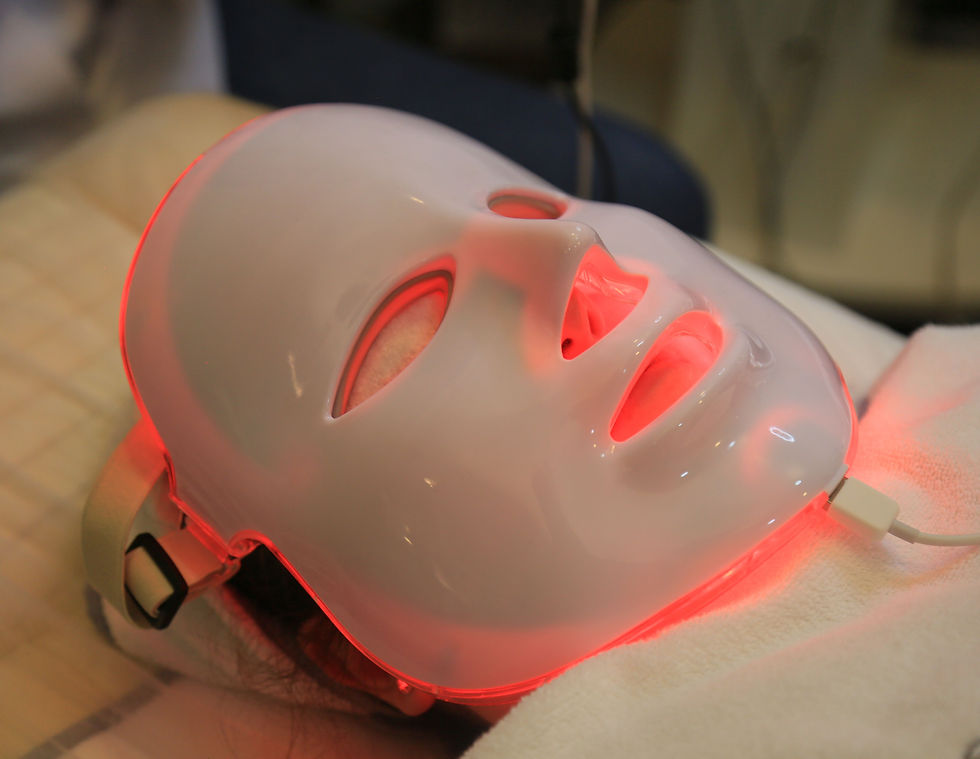
Red light therapy
Cellular repair support
One of the most researched light-based therapies — encourages cellular energy, calms inflammation, and supports collagen synthesis.

Nutritional support
From the inside out
Strategies such as curcumin (turmeric), an anti-inflammatory diet, exercise, restorative sleep, and stress management.
The bigger picture
Aging isn't caused by a single wrinkle. It's the accumulation of thousands of tiny biological changes occurring every day. The encouraging news?
Many of those changes are modifiable.
When we reduce chronic inflammation, protect collagen, strengthen skin structure, and support the body's natural repair mechanisms, we aren't simply improving how skin looks today — we're helping influence how it ages over the next decade.
Because slowing skin aging isn't just about looking younger. It's about creating healthier skin that stays resilient, vibrant, and strong for years to come.


Comments